
USC MIND
USC MIND
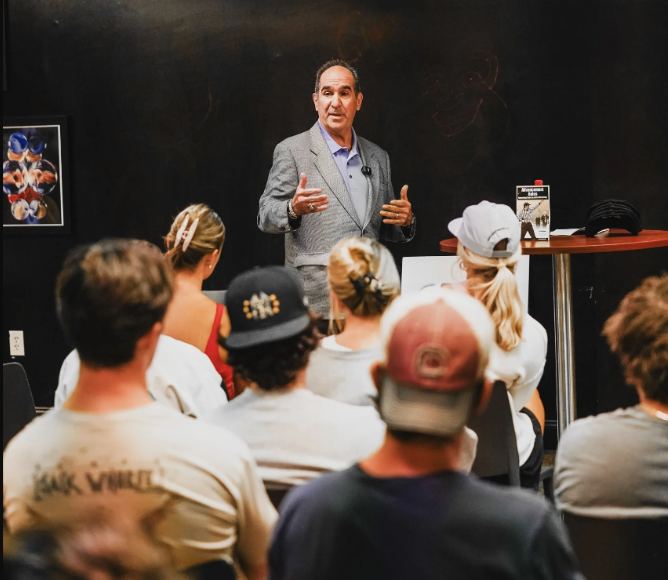
Mental Illness Needs Discussion. That’s what MIND stands for—and it’s right there in the name.
This club exists because mental health deserves space in our daily conversations. We talk about our bodies all the time—how we eat, how we train, how much we sleep. But what about our minds? MIND is here to make those talks just as normal and just as important.

MIND is a student-led club built around emphasizing three main things:
1. Promoting Mental Health Awareness – That means helping people understand that mental health is real and it matters. Some of us deal with anxiety, depression, stress, burnout, or just tough days—and that’s okay. We create a space where people feel safe to open up, learn, and support each other.
2. Encouraging Daily Mindfulness – We’re not just about talking—we’re about doing. Mindfulness means checking in with yourself, slowing down, and taking care of your mental space. That might be meditation, journaling, taking a walk, or just sitting quietly with music. We encourage these habits because small steps can lead to big changes.
3. Advocating for Suicide Prevention – Suicide is something a lot of students are impacted by, directly or indirectly. MIND helps spread resources, support systems, and real conversations that could literally save lives.
MIND Clubs that consistently embody these three pillars will be impactful and successful.
To be clear: MIND is not an overly serious, quiet, intimidating, or exclusive group of people who are depressed and anxious all the time. MIND is light-hearted, welcoming, and positive. The more fun, laid-back, and supportive the energy is, the more people will want to be part of it—and the more impact it’ll have. Mental health clubs don’t have to be heavy all the time. You can laugh, create, connect, and still have deep conversations when they’re needed.
MIND’s goal is to make talking about mental health as normal as talking about physical health. That means for every “I’m going to the gym,” there’s also “I’m taking time to rest and recharge.” For every “I can’t wait for practice,” there’s “I’m looking forward to my therapy session.” MIND believes that reactions to each statement should naturally be just as supportive, inspired, proud, and respectful.